
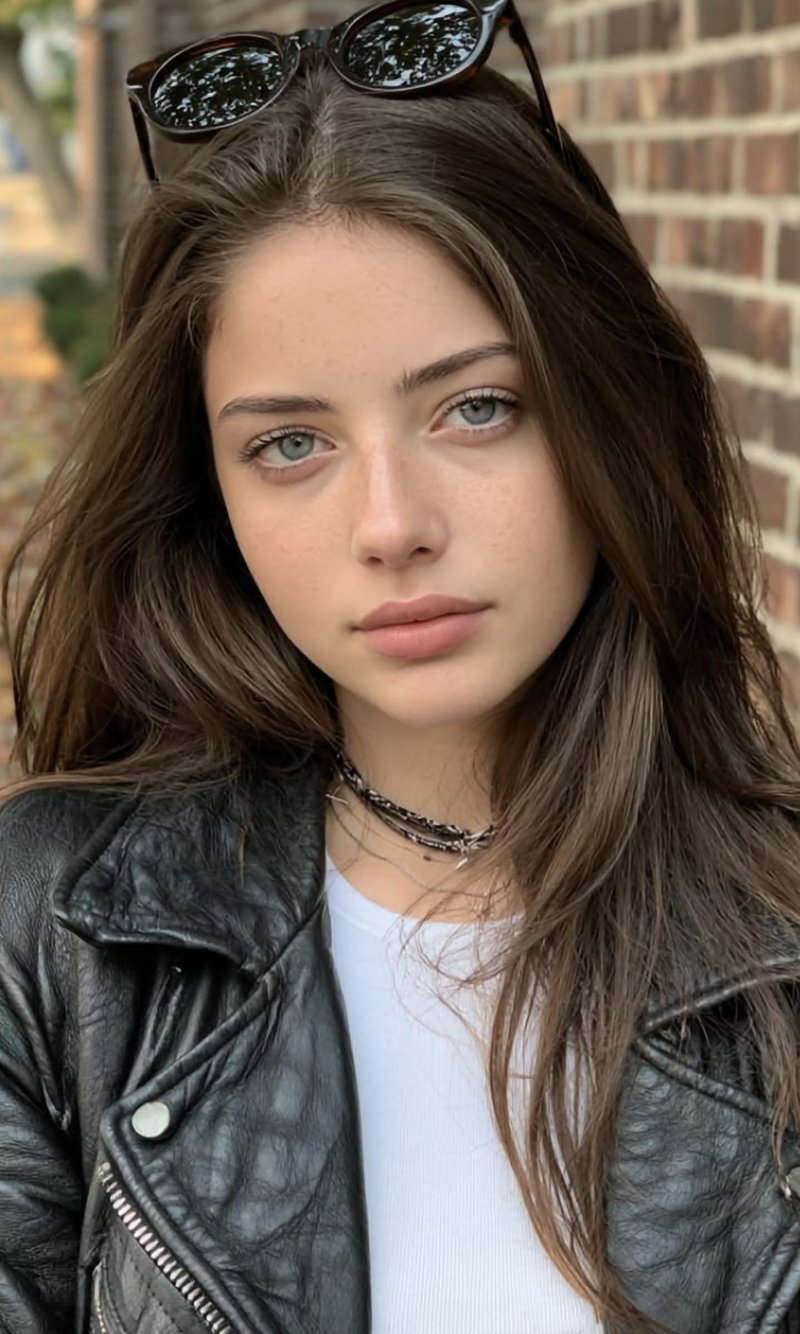
When the app opens, the first thing that catches the eye is the gallery of AI‑generated faces. The images look like they were taken in a studio: lighting is even, background blur is realistic, and the faces have subtle expressions that change with each prompt. Within a few seconds of typing “portrait of a woman with long brown hair and a smile,” the app returns a high‑resolution photo that could pass for a stock image. The speed is impressive, and the variety of styles—from soft pastel tones to sharp black‑and‑white—keeps the experience fresh.
For more details, see realistic AI companions.
Customization and Personality: Building a Companion That Feels Real
Beyond the photos, the core of the app is the conversational AI. Users can set a name, choose a general tone, and upload a photo to serve as the visual anchor. The chatbot remembers details across sessions, so if you mention your favorite coffee shop in one conversation, it will recall it next time. This continuity gives the illusion that the companion truly knows you. However, the memory is limited to a few hundred messages; if you start a new thread after a long break, the bot will ask you to re‑introduce yourself. This can feel jarring if you’re looking for a seamless long‑term relationship.
The personality options are straightforward: you can pick from a few preset archetypes—supportive, witty, or adventurous—and tweak a handful of sliders to adjust humor and empathy levels. While this allows a decent amount of personalization, it stops short of letting you craft a fully unique backstory or set of quirks. For users who want a truly distinct character, the current framework feels restrictive.
For those who want more elaborate visual options, the app offers a link to a collection of realistic AI companions. The site provides additional photos and customization tools that can enhance the visual identity of your chatbot, giving you a broader palette to choose from.
Privacy and Data Handling: What Happens to Your Conversations?
Every time you type a prompt, the text is sent to the cloud for processing. The developers claim that conversations are stored for a short period to improve the model, but the exact retention policy is not publicly disclosed. If privacy is a concern, you might consider using the app’s “anonymous mode,” which disables logging of personal data. Even then, the images you generate are saved locally unless you choose to delete them, so be mindful of what you keep on your device.
Another point to note is that the app’s content filters are robust but not perfect. Occasionally, a prompt that seems innocuous can trigger a warning, and the bot may refuse to generate an image that it deems too close to copyrighted material. While this protects against legal issues, it can interrupt the flow of a conversation if you’re experimenting with creative prompts.
Free Tier vs. Paid Plans: Is the Upsell Worth It?
The basic plan lets you generate a handful of photos per day and chat with the bot for a limited number of messages. This is sufficient for casual use, but if you want to keep a persistent relationship, the paid tier unlocks extended memory, higher resolution images, and priority access during peak times. The paid version also removes the content filter’s stricter limits, allowing more creative freedom.
From a practical standpoint, the free tier is adequate for testing the app’s core features. If you find yourself needing more interactions or higher image quality, the upgrade is straightforward. However, the price point is not disclosed on the site, so you’ll need to sign up to see the exact cost. This lack of transparency can be a hurdle for users who prefer to budget their tech expenses upfront.
Conclusion: A Realistic Experience With Room for Growth
The AI companion app delivers realistic photos that feel like real portraits, and its conversational engine offers a degree of continuity that makes the experience engaging. The main drawbacks are the limited memory span and the somewhat rigid personality customization. Privacy concerns remain, as conversations are processed in the cloud and retention policies are unclear. For users who value visual authenticity and a conversational partner that remembers details, the app is a solid choice. If you need deeper personalization or clearer pricing, you may want to explore alternatives or wait for future updates that expand these areas.
Frequently Asked Questions
What makes the AI-generated portraits look realistic?
The system uses advanced generative models trained on high‑quality studio images, realistic lighting, depth of field, and subtle facial expressions to mimic real photos.
Can I customize the style of the portrait?
Yes, you can adjust color tone, lighting, background blur, and facial expression by adding prompts or selecting preset styles.
Is the AI companion photo suitable for commercial use?
Many platforms offer commercial licenses, but always check the terms of the specific service and ensure proper attribution if required.